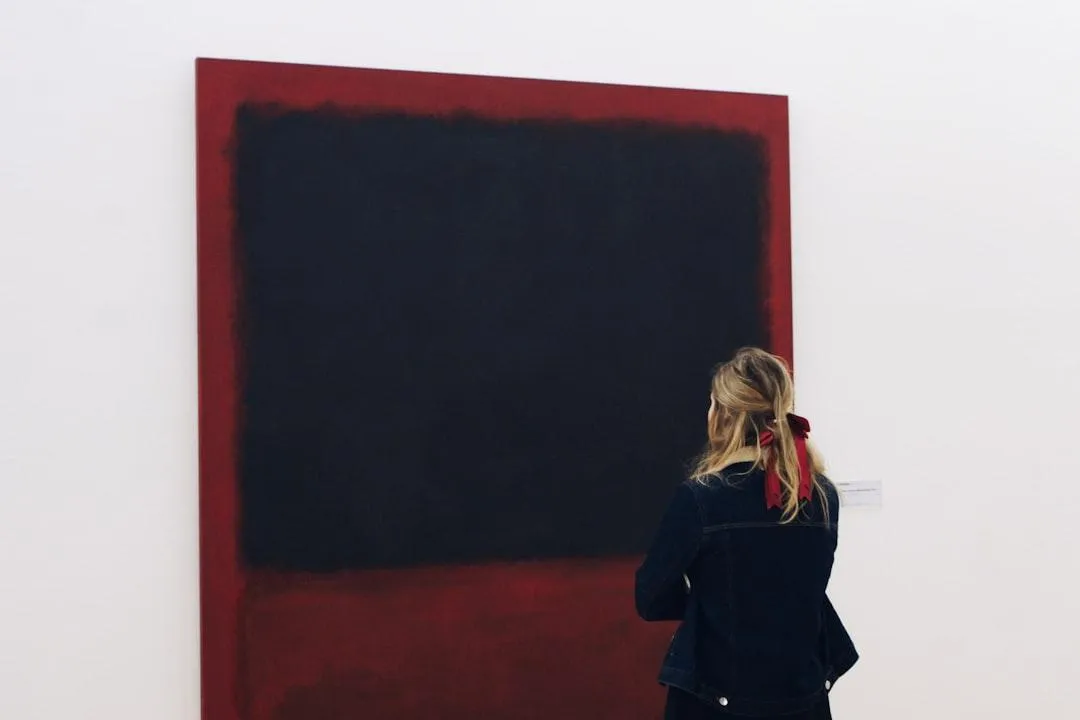
What makes a painting feel complete?
It’s a question that often comes at the end of the process.
You’ve worked on the painting.
You’ve developed it over time.
You’ve made adjustments, refined areas, stepped back and returned.
And still, it’s not clear.
Is it finished?
Should you keep going?
Is something missing?
You look at it, and instead of certainty, there’s hesitation.
My Perspective
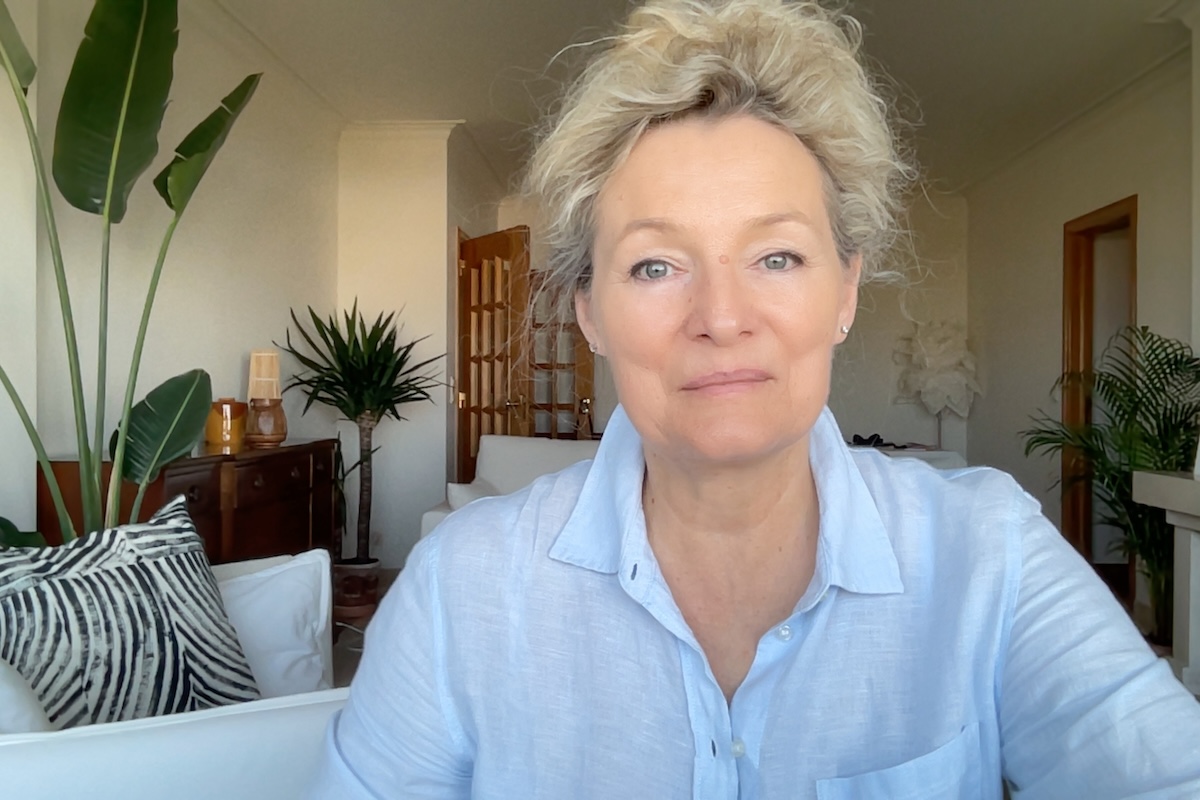
I’m Gosia Margie Witko.
I help artists understand how their painting works so they can develop their work with clarity and confidence over time.
My background spans over four decades across design, technology, and consulting, where I focused on building systems that help people recognize completion, clarity, and cohesion in complex work.
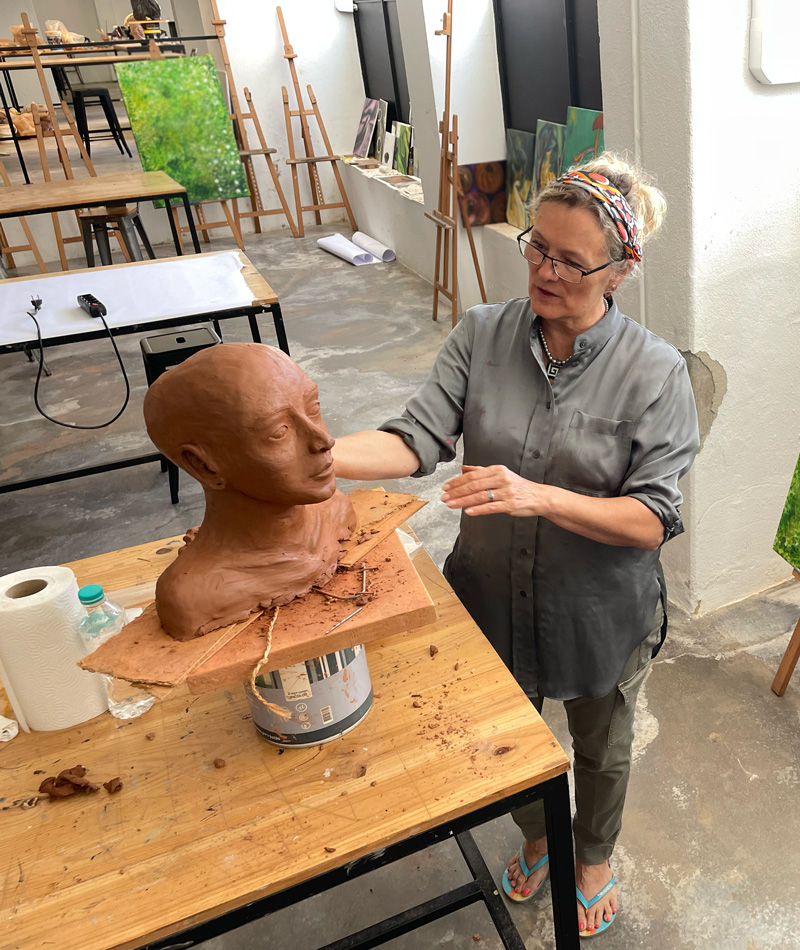
Alongside that, I’ve maintained a lifelong art practice — often working through this exact question, learning when to continue and when to stop.
That experience shaped how I understand completion in painting.
The Misunderstanding About “Finished”
Many artists believe a painting is complete when:
every area is refined
all details are resolved
nothing feels unfinished
So they continue working.
Adjusting.
Refining.
Adding.
But often, the more they work…
the less clear the painting becomes.
Why This Happens
Completion is not about how much has been done.
It’s about how the painting is working.
A painting can be overworked and still feel incomplete.
Or it can be simple and feel fully resolved.
The difference is not effort.
It’s structure.
What Completion Actually Is
A painting feels complete when:
the relationships hold together
the structure is clear
nothing essential is missing
nothing unnecessary is distracting
It doesn’t mean perfect.
It means resolved.
The Role of Relationships
Completion is not found in individual areas.
It exists in how everything relates.
This includes:
value relationships
colour relationships
composition
balance and tension
spatial clarity
If these are working together, the painting feels whole.
A Common Experience
You may recognize this:
You keep working on a painting.
Trying to improve it.
But at some point, it starts to lose something.
Clarity.
Energy.
Direction.
This often happens when the painting has already reached a point of resolution…
but you continue working beyond it.
A More Useful Question
Instead of asking:
“Is this painting finished?”
A more useful question is:
“Is this painting resolved?”
This shifts your focus.
You stop looking for perfection.
And begin to look for cohesion.
What to Look For
When deciding whether a painting is complete, observe:
Do all parts support the whole?
Is there a clear structure?
Is anything distracting or unnecessary?
Does the painting hold your attention without confusion?
If the answer is yes, the painting may already be complete.
My Experience
For many years, I struggled with knowing when to stop.
I would continue working, thinking more effort would improve the result.
But often, it had the opposite effect.
What changed was learning to recognize when the painting was already working.
To see when the relationships were in place.
To trust that moment.
My Approach
This is how I guide artists today.
Not by telling them when to stop.
But by helping them see when the painting is resolved.
When you understand:
how the painting is structured
how the elements relate
what is essential
you can recognize completion more clearly.
The Studio Framework
My work is built around this process.
Each month begins with a question connected to a core part of painting.
You explore that question through your own work.
Over time, your awareness develops.
You begin to see:
when to continue
when to adjust
and when to stop
The Art Studio Residency
This approach takes place inside The Art Studio Residency.
It’s a private online studio where artists return regularly to paint, explore ideas, and develop their work over time.
The focus is not on finishing quickly.
It’s on understanding how the work develops — and when it is complete.
What Changes Over Time
As you continue, your relationship with completion shifts.
You stop forcing the painting to be finished.
You begin to recognize when it is.
And that changes how you work.
If you’ve been asking:
“What makes a painting feel complete?”
You’re not looking for a final step.
You’re learning to recognize when the painting is working — and trusting that moment.