

Hey there! I’m Gosia Margie Witko. I explore the same questions many people are asking when they return to painting, try to improve, and try to understand what is happening in their art work.
Most people aren’t searching art.
They're searching for answers
Why does my painting look flat?
Why do my colours look muddy?
Why does something feel off?
How do I know when a painting is finished?
How do I begin again when I feel rusty?
They’re trying to understand what’s happening in their work.
That’s where I begin.
Start with the questions most are asking
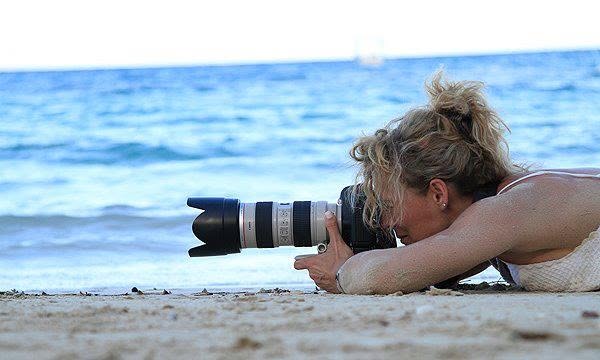
Why a photographer's perspective will matter more in the future, not less
AI is making images abundant. It is not making good photographers abundant. And those are increasingly two different things. The photography market is likely to split ...more
Artist Notes
August 19, 2026•14 min read
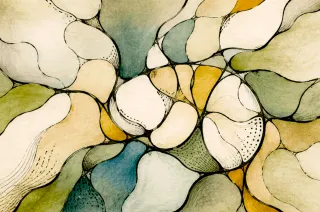
Neurographic Art: No painting experience required. Addictive, therapeutic & fun.
Explore Neurographic Art through flowing lines, softened intersections, colour and intuitive drawing. Discover its roots in automatic drawing and art therapy, the science behind creative focus, and a ... ...more
Artist Notes
August 17, 2026•18 min read
How do I know when a painting is finished?
It’s one of the most difficult decisions in painting. Not because there aren’t answers… But because the answer changes from painting to painting. You step back and look. It might feel close. But n... ...more
Artist Notes
March 23, 2026•3 min read
What makes a painting feel complete?
You’ve worked on the painting. You’ve developed it over time. You’ve made adjustments, refined areas, stepped back and returned. And still, it’s not clear. Is it finished? Should you keep going? Is ... ...more
Artist Notes
March 20, 2026•3 min read
How do I develop my own artistic voice?
After you’ve explored techniques. After you’ve made a body of work. After you’ve begun to take painting more seriously. You’re no longer just trying to improve. You’re trying to understand what is y... ...more
Artist Notes
January 13, 2026•3 min read
How do I build a painting practice?
You’re no longer asking how to begin. You’re asking how to continue. How to move beyond occasional painting… into something more consistent, more grounded, more meaningful. ...more
Artist Notes
January 12, 2026•3 min read
How do I stay consistent with painting?
You may go through periods where you paint regularly. You feel engaged. You make progress. Then something shifts. You stop. Days turn into weeks. Weeks turn into months. And returning feels harde... ...more
Artist Notes
January 11, 2026•3 min read
How do I paint with confidence?
You sit in front of the canvas. You have ideas. You’ve painted before. But something holds you back. You hesitate. You second-guess decisions. You’re unsure whether to continue or stop. Even simple... ...more
Artist Notes
January 10, 2026•3 min read
How do I find my style in art?
Usually after trying different approaches. You experiment. You explore techniques. You look at other artists. And still, your work feels inconsistent. It changes from piece to piece. It doesn’t fee... ...more
Artist Notes
January 09, 2026•3 min read
I’ve spent decades building systems that bring clarity to complex work. Today, I apply that same thinking to painting — while continuing to develop my own practice. I’m working through the same questions you are and I'm just a few steps ahead of you. We're literally on this journey together.