How do I find my style in art?
It’s one of the most common questions artists ask.
Usually after trying different approaches.
You experiment.
You explore techniques.
You look at other artists.
And still, your work feels inconsistent.
It changes from piece to piece.
It doesn’t feel fully yours.
So you start to wonder:
Am I missing something?
Am I doing it wrong?
My Perspective
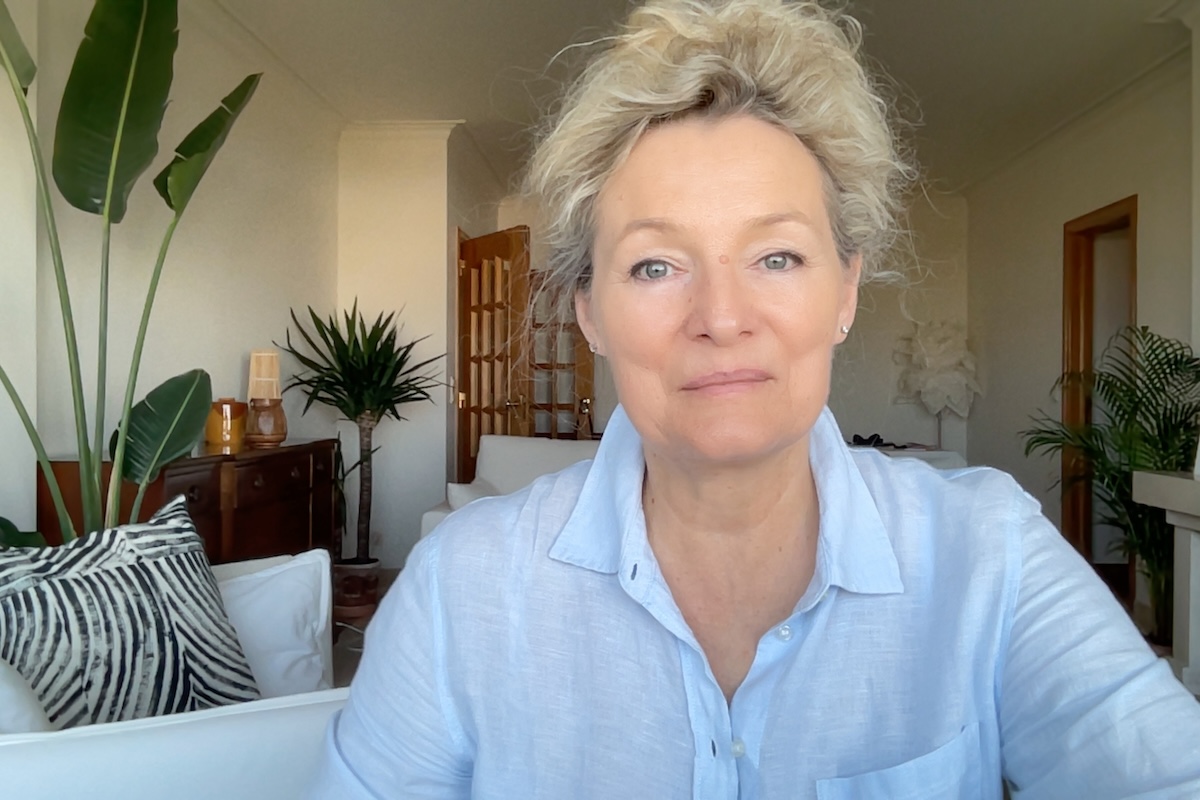
I’m Gosia Margie Witko.
I help artists understand how their work develops so they can build clarity, consistency, and confidence in their painting over time.
My background spans over four decades across design, technology, and consulting, where I focused on building systems that support clarity and long-term development.
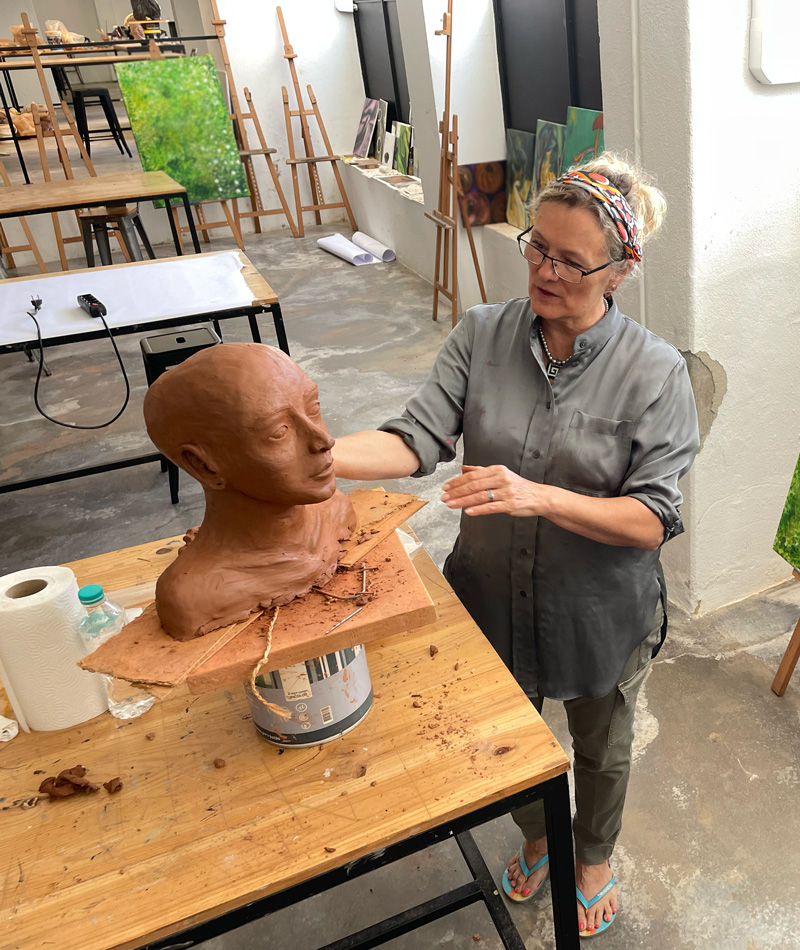
Alongside that, I’ve maintained a lifelong art practice — often exploring materials and ideas without a fixed outcome, learning through observation rather than trying to define a result.
That experience shaped how I understand style.
The Misunderstanding About Style
Most artists think style is something you find.
Something you choose.
Something you define.
So they try to:
pick a direction
repeat a certain look
make their work more consistent
But this often leads to frustration.
Because style doesn’t come from forcing consistency.
What Style Actually Is
Style is not something you decide.
It’s something that emerges.
It develops from:
how you use colour
how you build structure
how you respond to the painting
how you make decisions over time
It’s the result of patterns — not intentions.
Why It Feels So Difficult
If you try to define your style too early, you interrupt the process.
You begin to:
imitate instead of explore
repeat instead of understand
limit instead of develop
This creates work that may look consistent…
but doesn’t feel fully grounded.
A More Useful Question
Instead of asking:
“How do I find my style in art?”
A more useful question is:
“What am I consistently doing in my work — and why?”
This shifts your focus.
You stop trying to control the outcome.
And start observing patterns.
What to Look For
As you work, begin to notice:
What colours do you return to?
How do you organize your compositions?
What kinds of marks do you make?
How do you respond when something isn’t working?
These patterns reveal your way of working.
My Experience
For many years, my work moved across different materials and approaches.
It didn’t follow one clear direction.
At the time, it felt inconsistent.
But over time, I began to see connections.
Ways of thinking.
Ways of responding.
What seemed like variation…
was actually development.
My Approach
This is how I guide artists today.
Not by helping them define a style.
But by helping them understand how their work is developing.
When you understand:
how you make decisions
how your work evolves
what you return to
your style begins to emerge naturally.
The Studio Framework
My work is built around this process.
Each month begins with a question connected to a core part of painting.
You explore that question through your own work.
As you continue, you begin to:
recognize patterns
develop consistency
and build confidence
This is where style begins to take shape.
The Art Studio Residency
This approach takes place inside The Art Studio Residency.
It’s a private online studio where artists return regularly to paint, explore ideas, and develop their work over time.
There’s no pressure to define a style.
Instead, you build:
understanding
consistency
and clarity in your work
What Changes Over Time
As you continue, something shifts.
You stop asking:
“What should my style be?”
And begin to see:
“This is how I work.”
Your work becomes more consistent.
Not because you forced it…
but because you understand it.
If you’ve been asking:
“How do I find my style in art?”
You don’t need to find it.
You need to develop your work — and allow your style to emerge from that process.