How do I know when a painting is finished?
It’s one of the most difficult decisions in painting.
Not because there aren’t answers…
But because the answer changes from painting to painting.
You step back and look.
It might feel close.
But not certain.
You hesitate.
Should you keep going?
Should you stop?
And without clarity, it’s easy to move in the wrong direction.
My Perspective
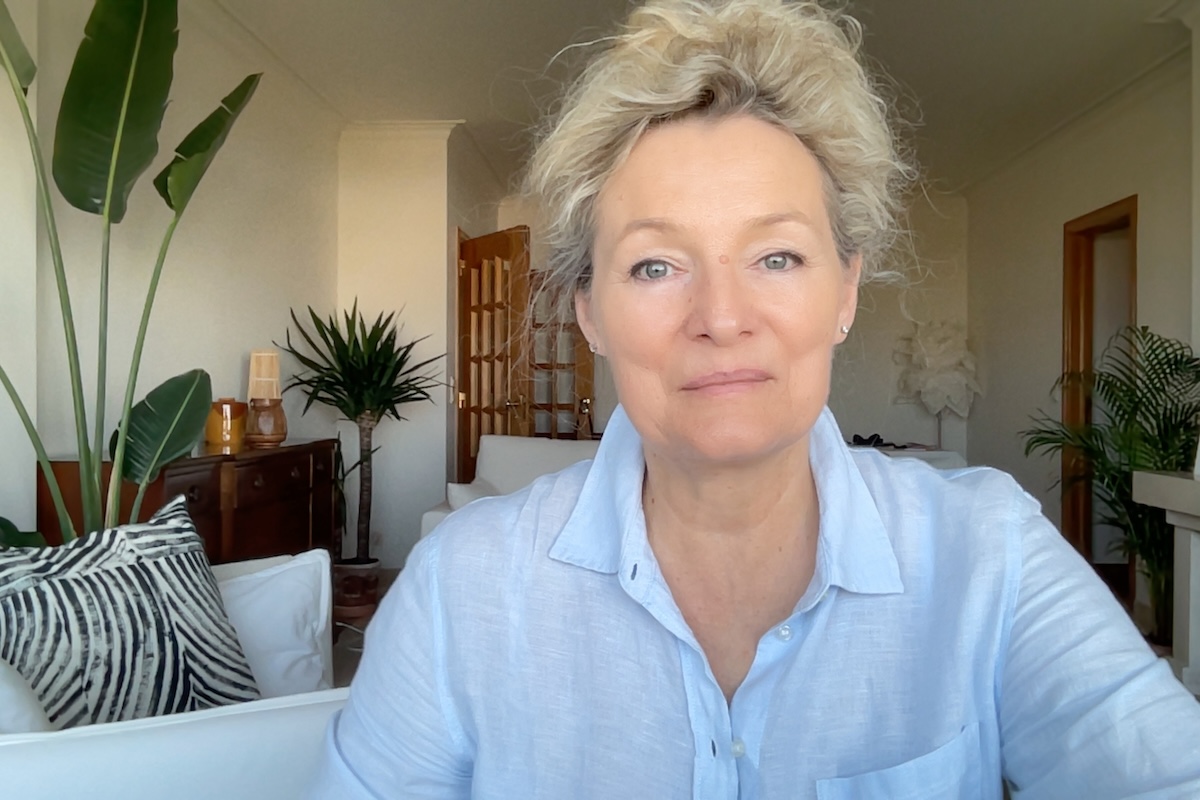
I’m Gosia Margie Witko.
I help artists understand what’s happening in their painting so they can make clearer decisions and develop their work over time.
My background spans over four decades across design, technology, and consulting, where I focused on helping people recognize when something is complete — not by checklist, but by understanding structure and function.
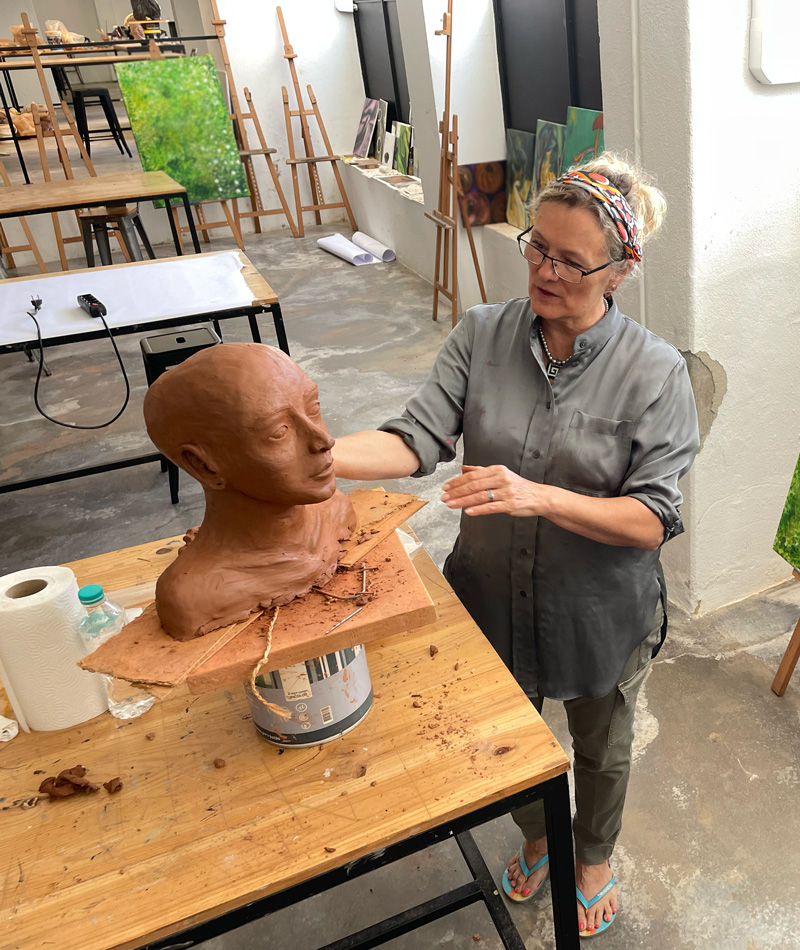
Alongside that, I’ve maintained a lifelong art practice, working through this exact question again and again.
Knowing when to stop is not obvious.
It’s something you learn to recognize.
Why This Question Is So Difficult
Most artists are taught to rely on external markers:
Have I added enough detail?
Does it look finished?
Have I worked on every area?
But these don’t always lead to the right decision.
Because a painting is not finished when everything is done.
It’s finished when nothing more is needed.
The Risk of Continuing
One of the most common challenges is overworking.
You continue painting because:
you’re unsure
you want to improve it
you feel like something is missing
But sometimes, continuing weakens the painting.
Clarity becomes complexity.
Energy becomes heaviness.
Structure becomes blurred.
The Risk of Stopping Too Early
The opposite can also happen.
You stop because:
you’re unsure how to continue
you don’t want to ruin it
you feel stuck
But in this case, the painting may not yet be fully developed.
A More Useful Question
Instead of asking:
“How do I know when a painting is finished?”
A more useful question is:
“Is anything still unresolved in the structure of this painting?”
This shifts your focus.
From guessing…
to observing.
What “Resolved” Looks Like
A painting is finished when:
the structure is clear
the relationships hold together
nothing essential is missing
nothing unnecessary is distracting
This doesn’t mean every area is detailed.
It means the painting works as a whole.
What to Look For
When deciding whether to continue or stop, observe:
Does the painting feel stable, or uncertain?
Are you adding something essential, or just adjusting?
Does each change improve the whole, or only a part?
If you stopped now, would the painting still hold together?
These questions guide your decision.
My Experience
For many years, I moved between two extremes.
Stopping too early…
or continuing too long.
What changed was not learning a rule.
It was learning how to see the painting as a whole.
To recognize when it was working.
And to trust that.
My Approach
This is how I guide artists.
Not by giving a fixed endpoint.
But by helping them understand their painting.
When you can see:
what is working
what is unresolved
what is necessary
you can make clearer decisions.
The Studio Framework
My work is built around this process.
Each month begins with a question connected to a core part of painting.
You explore that question through your own work.
Over time, you begin to:
recognize patterns
understand structure
make more confident decisions
Including when to stop.
The Art Studio Residency
This approach takes place inside The Art Studio Residency.
It’s a private online studio where artists return regularly to paint, explore ideas, and develop their work over time.
There’s no pressure to finish quickly.
The focus is on:
understanding your work
developing your eye
and making decisions with clarity
What Changes Over Time
As you continue, something shifts.
You stop relying on external rules.
You begin to trust what you see.
You recognize when a painting is finished…
not because you’ve done enough…
but because nothing more is needed.
If you’ve been asking:
“How do I know when a painting is finished?”
You’re not looking for a rule.
You’re learning to recognize when the work is resolved — and to trust that decision.